Satyanarayan Puja at Home: Vidhi, Samagri, Katha & Booking
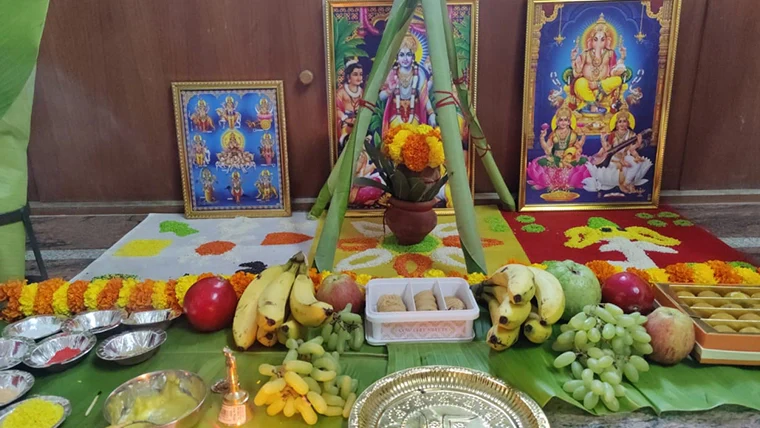
Satyanarayan Puja at Home is a traditional Hindu worship ceremony associated with Lord Vishnu in the form of Satyanarayan. Families commonly organize this Puja to express devotion, gratitude and spiritual intention during important moments in life. It may be performed on Purnima, during an auspicious family occasion, after moving into a new home, around a marriage or anniversary, during a new beginning, or simply as part of a family’s regular religious practice. The central ceremony commonly includes worship, Sankalp, offerings, recitation of the Satyanarayan Katha, Aarti and distribution of Prasad, although the exact sequence can vary by tradition.
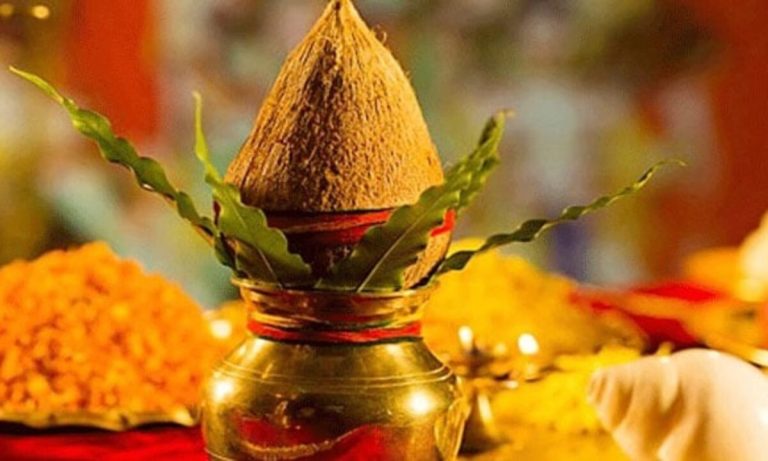
If you are planning a Satyanarayan Pooja at Home, knowing the basic procedure is useful because the ceremony involves more than arranging a picture of Lord Vishnu and lighting a diya. The family may need to prepare a clean Puja space, Kalash, flowers, fruits, Panchamrit ingredients, Prasad items and other Samagri before the Pandit Ji arrives. Traditional reference lists include items such as Kalash, mango leaves, coconut, Tulsi, flowers, Panchamrit ingredients, fruits, incense, diya and a Satyanarayan image or idol.
For families in Delhi NCR, arranging the ceremony at home can also be practical. Instead of taking elderly family members or young children to another location, everyone can participate from the comfort of the house. Pandit Ji Pooja helps you arrange a verified Pandit Ji for home Satyanarayan Puja. Before booking, confirm the date, location, preferred language, Puja tradition, Samagri arrangements, Hawan requirements and total service cost. Call +91-8285928876, book Satyanarayan Pooja, or visit our consultation page.
Book Satyanarayan Puja at Home WhatsApp Pandit Ji
What Is Satyanarayan Puja?
Satyanarayan Puja is a form of Hindu worship dedicated to Lord Satyanarayan, traditionally understood as a form of Lord Vishnu. The word Satya is associated with truth, while Narayana refers to the divine form of Vishnu. The ceremony is closely connected with the Satyanarayan Vrat Katha, which is traditionally recited during the Puja and forms one of its defining parts. Traditional sources describe the Katha as a five-chapter narrative associated with the Skanda Purana tradition.
The ceremony usually begins with preparation of the Puja space and a Sankalp, followed by preliminary worship and the establishment of the Kalash. The family then participates in the worship of Lord Satyanarayan, listens to the Katha, performs Aarti and receives or distributes Prasad. Different Pandits and families may follow slightly different sequences because Hindu worship practices often contain regional and family-specific variations.
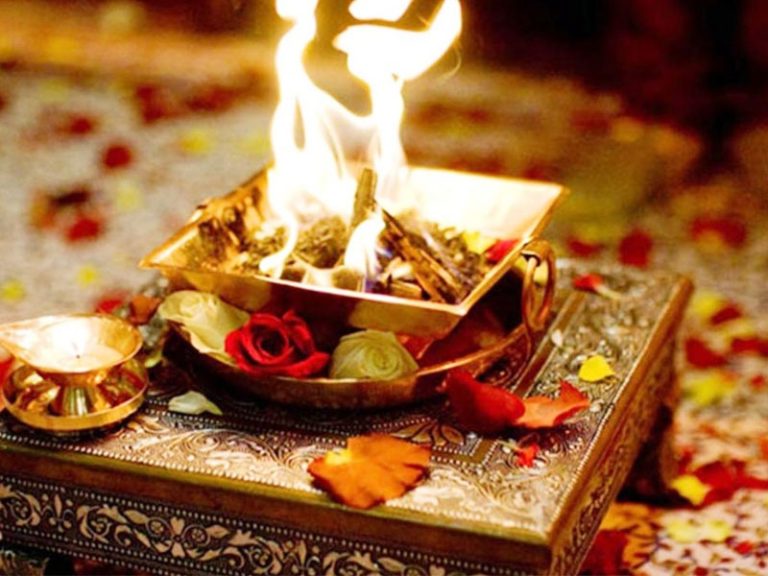
The important point is that Satyanarayan Puja is both a ritual and a devotional gathering. Family members are not merely spectators; they can participate in prayers, offerings, Katha listening and Aarti. This makes a home ceremony particularly meaningful for families who want children and elders to be part of the occasion. Related home worship such as Hawan Pooja is sometimes combined when the chosen Vidhi includes sacred fire offerings.
Religious Significance of Lord Satyanarayan
According to Hindu tradition, Lord Satyanarayan is worshipped as a form of Lord Vishnu associated with truth, devotion and righteous conduct. The Satyanarayan Vrat Katha repeatedly uses stories to illustrate themes such as keeping one’s word, remembering the divine during prosperity, gratitude and the importance of sincere devotion. These are religious and spiritual teachings rather than scientifically established claims, so they are best understood within their traditional context.
The Katha is particularly important because the Puja is not limited to physical offerings. Listening to the sacred narrative is itself an important part of the traditional ceremony. Families may therefore arrange sufficient seating and uninterrupted time so that participants can listen respectfully rather than treating the Katha as a short formality.
Why Do Families Perform Satyanarayan Puja?
Families perform Satyanarayan Puja for many different reasons, and there is no single occasion that applies to everyone. Purnima is traditionally associated with the ceremony, while some families observe it on other auspicious days according to their Panchang and family tradition. It is also commonly associated with occasions such as a Griha Pravesh, marriage, wedding anniversary, birth of a child, opening of a business, starting a new job or marking the completion of an important milestone.
Some families perform the Puja as an expression of thanksgiving after an important event. Others may include it in a family Sankalp or spiritual routine. The traditional stories associated with the Katha also connect the worship with devotees seeking divine blessings, but such beliefs should not be presented as guaranteed outcomes.
A home Puja can also become a family gathering. Grandparents can participate without travelling, children can observe the rituals and younger family members can learn why offerings such as Tulsi, fruits, flowers and Prasad are used. In that sense, the ceremony can function as both a religious observance and a way of passing family traditions from one generation to another.
Who Can Perform Satyanarayan Puja at Home?
Satyanarayan Puja can be performed at home with family members participating in the ceremony. A family may perform the basic worship according to its own tradition, while many households choose to invite a Pandit Ji to guide the Vidhi, Sanskrit prayers, Sankalp, Katha and other ritual elements.
There is no need to assume that every family must follow exactly the same procedure. Regional customs, language, family tradition and the Pandit’s chosen Vidhi can affect the sequence and Samagri. Some families may prefer a Hindi explanation throughout the ceremony, while others may follow Sanskrit-based prayers with explanations in Hindi or another regional language.
If you are booking a Pandit for Satyanarayan Puja, discuss these preferences beforehand. Tell the Pandit Ji whether you want Katha, Aarti, Hawan, a particular regional tradition or any additional ritual. This avoids confusion on the Puja day and gives the family enough time to arrange the required items.
Best Day and Muhurat for Satyanarayan Puja
Purnima, or the full-moon day, is one of the most traditionally associated occasions for Satyanarayan Puja. Some traditions also observe the Puja on Ekadashi or other auspicious occasions. Current religious reference sources commonly mention Purnima and Ekadashi alongside occasions such as housewarming and other significant family events.
The exact Satyanarayan Puja Muhurat should be checked for the specific year, city and family tradition rather than copying a date from an old article. Panchang calculations can involve Tithi, sunrise, local timings and other considerations. If your family follows a specific regional Panchang, tell your Pandit Ji which tradition you normally follow. For muhurat guidance, you can also request help through our consultation service.
For an evergreen website page, it is better not to publish a long list of annual dates without regular maintenance. Instead, families can confirm the appropriate Purnima, Ekadashi or other auspicious date for the year in which they plan the Puja.
Purnima, Ekadashi and Family Traditions
Purnima has a particularly strong association with Satyanarayan Vrat and Puja, but that does not mean every household must perform it only on Purnima. Religious practice varies, and families may choose another auspicious date based on their circumstances and tradition.
If the Puja is being performed for Griha Pravesh, a wedding-related event, a new business or another ceremony, the date may be coordinated with the main event’s Muhurat. A Pandit Ji can help the family understand how the ceremonies should be scheduled according to the chosen tradition.
Satyanarayan Puja Vidhi: Step-by-Step Procedure
The Satyanarayan Puja Vidhi can vary by region and family tradition, but a typical home ceremony follows a recognizable flow. The home and Puja area are cleaned first, followed by preparation of the Chowki, deity image or idol and Kalash. The family then participates in Sankalp and preliminary worship before the principal Satyanarayan Puja begins.
A traditional ceremony may broadly include Ganesh Puja, Kalash Sthapana, invocation, offerings, worship of Lord Satyanarayan, Katha, Aarti and Prasad. Hawan may be included when it forms part of the selected procedure. Reference material for Satyanarayan Puja also identifies Kalash, Panchamrit, Tulsi, fruits, flowers, diya, incense and other items as part of the ceremony.
The sequence should not be treated as an inflexible universal formula. Your Pandit Ji may follow a particular Vedic or regional procedure, and the family may have additional customs. The best approach is to confirm the desired Vidhi before the ceremony rather than discovering differences after the Puja has started.
Preparing the Home and Puja Space
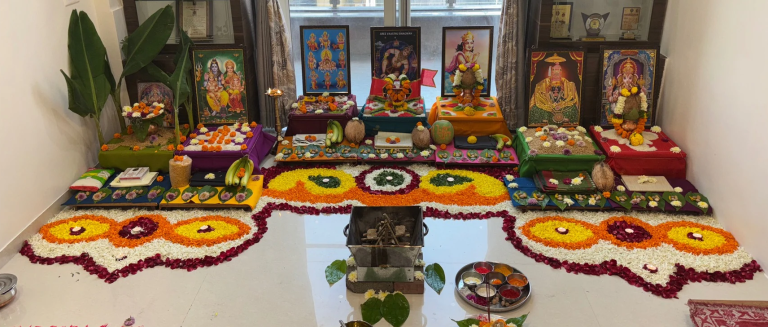
Choose a clean, reasonably spacious area where family members can sit comfortably and where the deity can remain undisturbed throughout the ceremony. A living room is often practical for apartments because it provides enough seating while allowing family members to participate.
Keep the Puja Samagri together before the Pandit arrives. Arrange the Kalash, coconut, flowers, fruits, Tulsi, Panchamrit ingredients, diya, incense, Puja thali and Prasad ingredients in one area. A small checklist can prevent the common problem of searching through cupboards in the middle of the ceremony.
If children are attending, explain beforehand that the Katha and Aarti are important parts of the ceremony. This simple preparation can help them participate respectfully rather than becoming restless during a longer ritual. For space harmony before or after the ceremony, some families also consider Vastu Shanti.
Satyanarayan Puja Samagri List
The exact Satyanarayan Puja Samagri varies according to regional practice and the Pandit’s Vidhi. Current traditional reference lists include Kalash, mango leaves, coconut, rice, flowers, Tulsi, Panchamrit ingredients, fruits, betel leaves, betel nuts, diya, incense, camphor, cloth, sacred thread and a Satyanarayan image or idol.
| Puja Item | Purpose / Use | Usually Required? |
|---|---|---|
| Satyanarayan image or idol | Main deity for worship | Yes |
| Lord Ganesha image / idol | Preliminary worship | Commonly |
| Kalash | Ritual vessel used in Puja | Yes |
| Coconut | Kalash and offering | Commonly |
| Mango leaves | Kalash arrangement | Commonly |
| Rice / Akshat | Ritual offering | Yes |
| Haldi / Kumkum / Roli | Puja offerings and markings | Commonly |
| Chandan | Traditional offering | Commonly |
| Flowers | Offering and decoration | Yes |
| Garland | Deity decoration | Commonly |
| Tulsi leaves | Traditional Vishnu offering | Commonly |
| Fruits | Offering / Prasad | Yes |
| Betel leaves | Puja offering | Commonly |
| Supari | Ritual offering | Commonly |
| Milk, curd, honey, sugar, ghee | Panchamrit | Commonly |
| Diya and cotton wicks | Lighting | Yes |
| Camphor | Aarti | Commonly |
| Incense / Dhoop | Ritual use | Commonly |
| Yellow / red cloth | Chowki / deity arrangement | Commonly |
| Kalawa / Moli | Sacred thread | Commonly |
| Puja thali | Organizing materials | Yes |
| Bell | Used during worship / Aarti | Commonly |
| Katha book | Katha recitation | Yes |
| Hawan Samagri | Hawan, if included | If applicable |
The safest approach is to confirm the final list with the Pandit Ji because quantities and additional items can differ. When you book through Pandit Ji Pooja, ask whether complete Samagri is included with the home visit so your family can focus on devotion rather than last-minute shopping.
Satyanarayan Puja Prasad
Prasad is an important part of the Satyanarayan Puja tradition. Families commonly prepare a sweet offering, with ingredients and preparation varying between regions. Semolina-based Halwa or Sheera, fruits and Panchamrit are among the preparations associated with different Satyanarayan Puja traditions.
The family should decide beforehand who will prepare the Prasad and where it will be kept during the ceremony. If you are hiring a Pandit Ji, ask whether Prasad preparation is part of the service or whether the family needs to arrange it separately.
After the Puja and Aarti, Prasad is traditionally distributed among participants. This sharing is more than simply serving food; within the religious tradition, it forms part of the devotional conclusion of the ceremony.
Satyanarayan Katha and Its Five Chapters
The Satyanarayan Katha is one of the central elements of the Puja. Traditional accounts connect the narrative with the Skanda Purana tradition and describe it as a five-chapter story involving sages, Narada and devotees of Lord Satyanarayan.
The first chapter establishes the background of the Vrat through the dialogue involving sages, Suta and Narada. The story then presents different devotees and circumstances to illustrate themes connected with devotion, promises, remembrance of the divine and the consequences described within the traditional narrative.
The later chapters include stories of devotees whose lives change through their relationship with the Satyanarayan Vrat. These narratives are traditionally understood as moral and devotional teachings rather than historical or scientific evidence. The recurring message is that sincere devotion, truthfulness, gratitude and respect for one’s commitments are important values.
Because the Katha is traditionally divided into five chapters, families should allow enough time for the complete recitation rather than planning a ceremony around only the initial Puja. Children can also benefit from hearing the stories when the Pandit explains them in simple Hindi or another familiar language.
Traditional Spiritual Significance and Benefits
When people search for Satyanarayan Puja benefits, they often expect a simple list of material outcomes. A more accurate explanation is that Hindu tradition associates the ceremony with devotion, gratitude, spiritual reflection and auspicious family observance. Devotees may perform the Puja with the intention of seeking blessings for peace, prosperity or a positive beginning, but these should be described as religious beliefs rather than guaranteed results.
The ceremony can also have practical family benefits. Everyone gathers in one place, older relatives can participate, children observe traditional practices, and family members share Prasad after the worship. For some households, this regular religious gathering creates a meaningful pause from everyday responsibilities.
The most important benefit therefore depends on the family’s intention. One family may see it as thanksgiving, another as a Griha Pravesh-related observance, while another may perform it as a monthly spiritual practice. Festival-related worship such as Laxmi Pooja may also be planned alongside other auspicious occasions.
Satyanarayan Puja at Home: Practical Preparation
A successful home Puja depends heavily on preparation. Decide the date and approximate time first, then confirm the Pandit Ji, location and preferred ritual format. After that, prepare the Puja space and Samagri rather than waiting until the day of the ceremony.
Before the Pandit arrives, keep the following ready:
- Clean Puja space and seating
- Chowki and suitable cloth
- Satyanarayan image or idol
- Kalash and coconut
- Flowers and Tulsi
- Fruits and other offerings
- Panchamrit ingredients
- Diya, ghee and cotton wicks
- Incense and camphor
- Puja thali
- Katha book
- Prasad ingredients
- Drinking water and basic arrangements for guests
If you have elderly family members, reserve a comfortable place close to the Puja area. If children are attending, avoid placing lamps or hot vessels where they can accidentally reach them.
Satyanarayan Puja in an Apartment
You do not need a large house to conduct a meaningful Satyanarayan Puja at Home. A reasonably clean living room can often accommodate the Chowki, Pandit Ji and participating family members. The important practical issue is space management: keep the Puja area clear, arrange seating before the ceremony and leave enough room for the Pandit to perform the required rituals.
Hawan requires additional care in apartments. Before including Hawan, check your building or society rules and consider ventilation, smoke alarms and the proximity of curtains, furniture and other combustible materials. If open flames or smoke-producing rituals are restricted, discuss alternatives with the Pandit Ji rather than assuming that every apartment can accommodate the same procedure.
Also consider neighbours. A family gathering can be managed comfortably when guests are informed about parking, lift access and the expected duration beforehand. These small details can make a significant difference when conducting a religious ceremony in a high-rise apartment across Delhi, Noida, Gurugram, Ghaziabad or Faridabad.
Regional and Family Variations
Satyanarayan Puja is performed by Hindu families across different parts of India and outside India, so the ceremony does not look identical everywhere. North Indian, Gujarati, Marathi, South Indian and other family traditions may differ in language, Prasad, Samagri, mantras and ritual sequence.
That variation is not necessarily a problem. Instead of asking which single version is “correct,” it is more useful to tell your Pandit Ji what your family normally follows. If your family has a specific Katha book, language preference or regional practice, mention it while booking.
This is particularly important for families who have moved from another state to Delhi NCR. A Pandit Ji who understands your preferred tradition can help you prepare the appropriate Samagri and explain which parts of the ceremony will be followed.
How Long Does Satyanarayan Puja Take?
There is no universal fixed duration for Satyanarayan Puja. The total time depends on the Katha, number of participants, Hawan, additional rituals, regional procedure and Prasad arrangements. A ceremony containing only the core worship and Katha will naturally differ in length from one that includes additional rituals.
When booking, ask for an approximate duration based on your chosen Vidhi rather than planning around a generic number found online. If guests are coming from outside, it is also useful to keep some additional time available for seating, Prasad and Aarti.
For an apartment ceremony, reserving the room for longer than the expected ritual time is sensible. It avoids pressure if the Katha or additional Puja steps take longer than anticipated. Many home ceremonies with Katha and Prasad commonly take around two to three hours, but your Pandit Ji should confirm the estimate for your selected format.
Satyanarayan Puja Cost and Service Inclusions
The Satyanarayan Puja cost can vary depending on the location, ritual format, number of Pandits, duration, Samagri arrangements and whether additional services such as Hawan are included. Rather than publishing a fixed online price that may change, Pandit Ji Pooja shares transparent package details after understanding your requirements.
Before booking, ask exactly what the quoted amount covers. A useful enquiry should clarify whether the service includes the Pandit Ji’s visit, Katha, Puja Vidhi, Hawan, Samagri, Prasad-related arrangements, travel charges or any additional rituals.
A transparent quotation is easier for both sides. Rather than comparing only the headline price, compare the actual inclusions and confirm whether you need to purchase any Samagri separately. Call +91-8285928876 or WhatsApp for a free quote tailored to your home ceremony.
Get Satyanarayan Puja Quote Call +91-8285928876
Satyanarayan Puja at Home in Delhi NCR
Families looking for Satyanarayan Puja in Delhi NCR may prefer a home service because it eliminates the need to transport family members and Puja arrangements to another venue. Delhi, Noida, Gurugram, Ghaziabad and Faridabad are major parts of the NCR, and Pandit Ji Pooja provides home Puja services across these areas subject to date and Pandit availability.
When contacting Pandit Ji Pooja, share the information needed to plan the ceremony: your preferred date, approximate time, complete location, number of participants, preferred language and whether you want only the Satyanarayan Puja or additional rituals. Browse more home Puja services if your family also needs related ceremonies.
For a home-service booking, the location matters because travel time and Pandit Ji availability can vary. Confirming these details early gives the team a clearer picture of what you need.
How to Book a Pandit Ji for Satyanarayan Puja
If you want a Pandit Ji for Satyanarayan Puja, do not limit your enquiry to asking only about price. A better booking conversation covers the complete ceremony so there are no surprises on the day.
Ask these questions before confirming:
- Is the Pandit Ji available on my preferred date and time?
- Which Puja Vidhi will be followed?
- Will the complete Satyanarayan Katha be recited?
- Is Hawan included or optional?
- Who will arrange the Samagri?
- Is Prasad arranged by the family or service provider?
- Which language will be used?
- Are there additional charges for travel or extra rituals?
- Approximately how long will the ceremony take?
- Are there any special requirements for an apartment or society?
For Satyanarayan Puja booking in Delhi NCR, providing these details at the beginning makes the process smoother. You can book Satyanarayan Pooja online, contact us, or call +91-8285928876 during working hours (9:00 AM to 8:00 PM).
Frequently Asked Questions
What is Satyanarayan Puja?
Satyanarayan Puja is a traditional Hindu worship ceremony dedicated to Lord Satyanarayan, a form associated with Lord Vishnu. The ceremony commonly includes Sankalp, worship, offerings, Satyanarayan Katha, Aarti and Prasad.
Can Satyanarayan Puja be performed at home?
Yes. Satyanarayan Puja is commonly performed at home, with family members participating in the worship, Katha, Aarti and Prasad distribution. Families may perform it themselves or invite a Pandit Ji to guide the ceremony.
Which day is best for Satyanarayan Puja?
Purnima is traditionally one of the most commonly associated days. Some families also perform the Puja on Ekadashi or another auspicious occasion according to their Panchang and family tradition.
Can Satyanarayan Puja be performed on Purnima?
Yes. Purnima is traditionally associated with Satyanarayan Vrat and Puja. The exact timing should be checked according to the relevant year’s Panchang and the family’s preferred tradition.
Who can perform Satyanarayan Puja?
Family members can participate in the Puja, and many households invite a Pandit Ji to guide the Vidhi and Katha. The exact practice may differ according to regional and family traditions.
Is a Pandit Ji required for Satyanarayan Puja?
Families follow different practices. Some perform the Puja themselves, while others prefer an experienced Pandit Ji for guidance with Sankalp, mantras, Vidhi and Katha.
What Samagri is needed for Satyanarayan Puja?
Common items include a Satyanarayan image or idol, Kalash, coconut, mango leaves, rice, flowers, Tulsi, fruits, Panchamrit ingredients, diya, ghee, incense, camphor, betel leaves and other Puja materials. The final list can vary by tradition, so confirm it with your Pandit Ji.
What is offered as Satyanarayan Puja Prasad?
Prasad varies by family and region. Semolina-based Halwa or Sheera, fruits and Panchamrit are commonly associated with different traditions. Confirm the preferred preparation with your Pandit Ji.
How long does Satyanarayan Puja take?
The duration depends on the Katha, Vidhi, Hawan, number of participants and additional rituals. Ask the Pandit Ji for an estimated duration based on your selected ceremony.
How many chapters are in Satyanarayan Katha?
The traditional Satyanarayan Vrat Katha is commonly presented in five chapters. The stories contain devotional and moral themes associated with Satyanarayan worship.
Can Satyanarayan Puja be performed in an apartment?
Yes. A living room can generally be arranged for a home ceremony. If Hawan is planned, check society rules, ventilation and fire-safety requirements beforehand.
How much does Satyanarayan Puja at Home cost?
The cost varies according to location, Pandit Ji, ritual requirements, Samagri, duration and additional services. Confirm the current package and inclusions directly before booking by calling +91-8285928876.
Can I book a Pandit Ji for Satyanarayan Puja in Delhi NCR?
Yes. You can enquire about home Pandit services for Delhi NCR and confirm availability for your exact location, date and preferred ceremony through Pandit Ji Pooja.
Is Hawan included in Satyanarayan Puja?
It depends on the chosen Vidhi and service package. Hawan should be confirmed separately when booking because apartment rules and family traditions can also affect whether it is performed.
Can the Puja be performed in Hindi?
Language preferences can be discussed while booking. Tell the Pandit Ji whether your family wants Hindi explanations, Sanskrit prayers, or another regional language.
Can Satyanarayan Puja be combined with Griha Pravesh?
It can be included as part of a broader housewarming or auspicious family ceremony when the chosen tradition and schedule permit. Discuss the complete ritual plan with the Pandit Ji before finalizing the Muhurat. See our Griha Pravesh page for housewarming service details.
Conclusion: Plan Your Satyanarayan Puja at Home
Satyanarayan Puja at Home is a meaningful way to bring family devotion, Katha listening and Prasad sharing into your household. When you understand the Vidhi, prepare the Samagri, allow time for the five-chapter Katha and confirm practical details for your home or apartment, the ceremony becomes smoother for everyone involved.
Pandit Ji Pooja supports families across Delhi NCR with verified Pandit Ji booking, muhurat guidance and clear discussion of service inclusions. Call +91-8285928876, WhatsApp us, or book through the Satyanarayan Pooja service page. For personalised Vedic guidance alongside your ritual, explore horoscope and kundli matching services.
Keep Reading